Transformation of Ukrainian business: how companies adapt their business models to structural market change
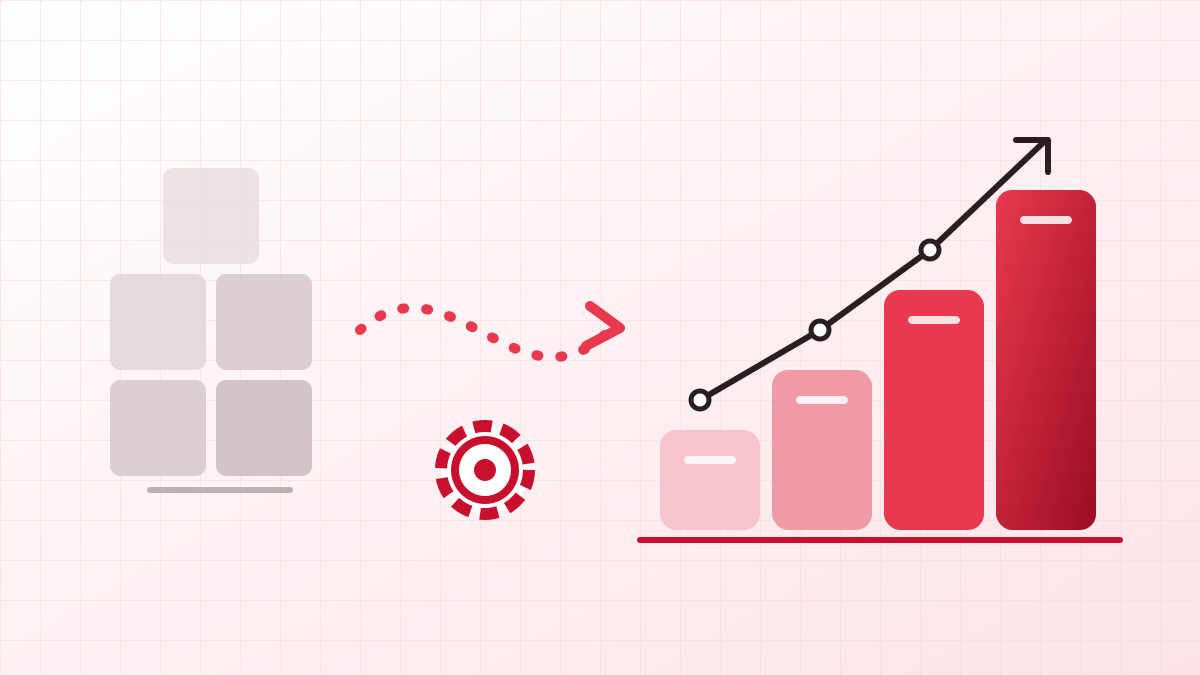
Recent years have been a period of deep structural change for the Ukrainian economy. Logistics routes, the geography of demand, and access to energy and talent have all shifted — and with them, the rules of competition themselves. Companies that managed to rebuild their business model, rather than simply wait out the crisis, are now setting the pace of the market.
Why the old models stopped working
The classic model of many Ukrainian companies relied on stable supply chains, predictable domestic demand and relatively cheap resources. Each of these factors came under pressure in a short time. Some production capacity had to be relocated, some sales markets had to be replaced with new ones, and the cost of energy and logistics became a variable that can no longer be ignored in planning.
Under these conditions, a business model stops being a static document. It becomes a working tool that is reviewed every quarter, and sometimes every month. Executives increasingly use scenario planning: instead of a single budget, they prepare base, optimistic and stress scenarios with predefined triggers for switching between them.
Key areas of adaptation
An analysis of the decisions made by Ukrainian companies across industries reveals several consistent directions:
- Market diversification. Reducing dependence on a single region or major client by expanding into the EU, the Middle East and North Africa.
- Relocation and distributed production. Moving capacity to western and central regions and creating back-up sites and warehouses.
- Process digitalisation. Switching to cloud ERP systems, electronic document management and remote team management.
- Energy autonomy. Investing in generators, solar plants and energy storage as part of business continuity.
- Flexible employment. Project teams, hybrid work and staff retraining programmes.
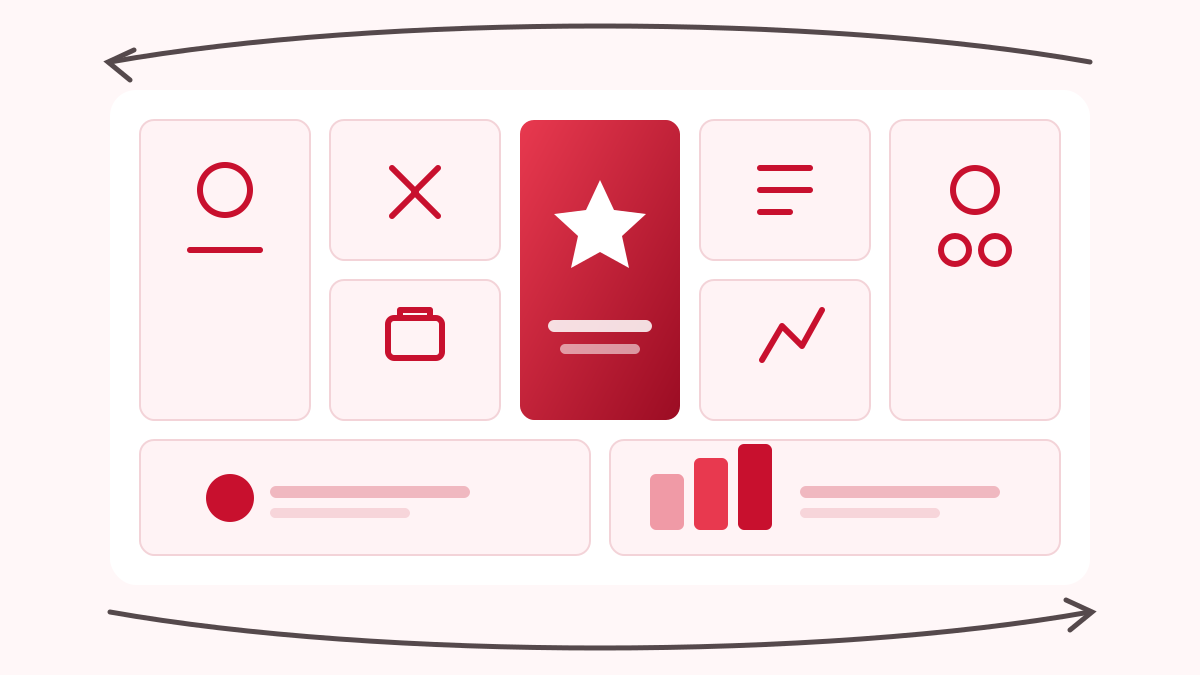
From product to service
A noticeable trend is the shift from selling individual products to service-based models. Equipment manufacturers offer subscription maintenance, agricultural holdings develop their own processing and consumer brands, and IT companies move from outsourcing to their own products. This shift raises margins and makes revenue more predictable.
“Resilience today is not a safety margin — it is the speed at which a company can rebuild its model for new conditions.”
At the same time, the approach to partnerships is changing. Companies increasingly join industry clusters, purchase raw materials together, share logistics capacity and enter foreign markets as consortia. This allows even small players to compete for large contracts.
The role of the state and digital services
The digitalisation of public services has become an important factor in adaptation. Business registration, permits, reporting and interaction with tax authorities have largely moved online, including through the Diia ecosystem. This lowers transaction costs and lets entrepreneurs spend less time on bureaucracy.
Additional support comes from subsidised lending programmes, grants for production development and international financing instruments aimed at small and medium-sized businesses.
What sets leading companies apart
Companies that come through transformation more successfully than others share several traits: a transparent ownership structure, regular scenario analysis, investment in people and a willingness to drop inefficient lines of business. They see a crisis as a reason to rebuild rather than a temporary obstacle.
Structural market changes will continue, but one thing is already clear: Ukrainian business has learned to operate in a state of constant adaptation. That experience is becoming a competitive advantage — both in the domestic market and on the international stage.