Export strategy of Ukrainian companies: integrating into European supply chains and boosting competitiveness
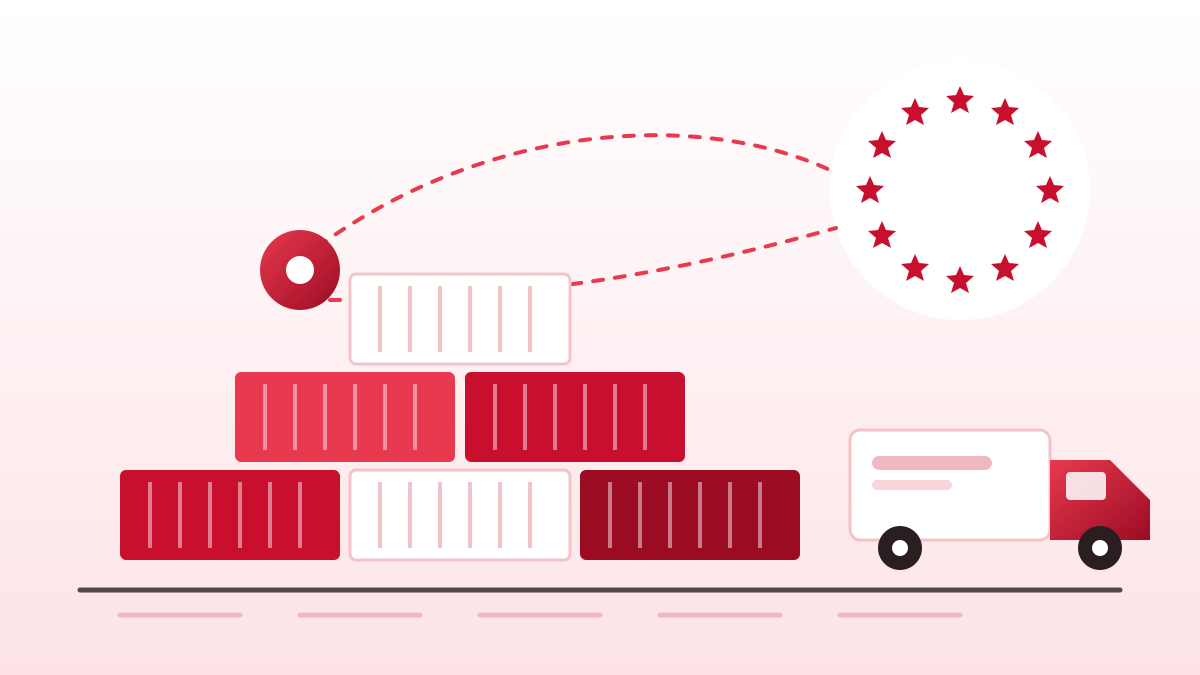
The European Union has become Ukraine’s main trading partner, and integration into European supply chains is now a strategic priority for thousands of companies. But entering the EU market takes more than a quality product — it requires a systematic export strategy.
The European market as a growth driver
The Association Agreement and the Deep and Comprehensive Free Trade Area (DCFTA), in force since 2016, gave Ukrainian producers access to a market of hundreds of millions of consumers. Later, temporary trade liberalisation expanded these opportunities for many product groups.
European companies, in turn, are looking for reliable suppliers closer to their own production sites. The post-pandemic trend towards nearshoring and supply diversification has made Ukraine a logical candidate for the role of industrial partner.
The building blocks of an export strategy
- Target market analysis. Choosing countries based on demand, competition, logistics and cultural proximity.
- Certification and standards. CE marking, compliance with ISO and HACCP requirements, safety and environmental standards.
- Logistics. Building routes via the western borders, the Danube ports and the maritime corridor, and using warehouses in the EU.
- Partnerships. Working with distributors and taking part in trade fairs and B2B platforms.
- Financing. Export credit, insurance and guarantees from state and international institutions.
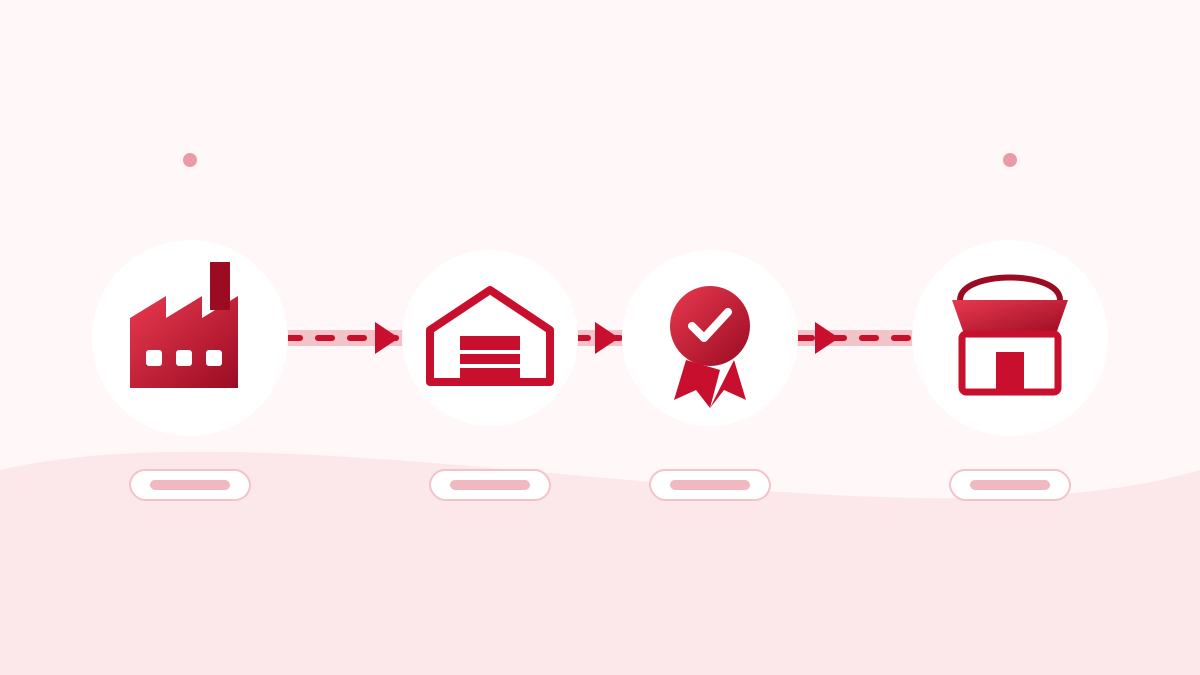
A place in the value chain
One of the key tasks is to move from supplying raw materials to supplying components and finished goods. Ukrainian manufacturers have already become part of European chains in the automotive industry (wiring systems and components), furniture making, food processing, IT services and engineering.
“Competitiveness in the European market is defined not only by price but by reliability: meeting deadlines, consistent quality and corporate transparency.”
European buyers carry out detailed supplier audits, assessing production processes, financial stability, ownership structure and compliance with labour standards. Being ready for such checks is becoming a prerequisite for long-term contracts.
The Green Deal and new requirements
The European Green Deal is changing the rules of the game. The Carbon Border Adjustment Mechanism (CBAM), product traceability requirements and ESG reporting are gradually becoming a mandatory part of export work. Companies that adopt energy-efficient technology and emissions accounting early gain an edge in negotiations with European buyers.
How to become more competitive
The experience of successful exporters shows that the key factors are investment in automation, building their own brands, digital marketing and strong international sales teams. Integration into European supply chains is a long road, but it is precisely this road that lays the foundation for sustainable growth of the Ukrainian economy.